- ANSI/ISEA 105 (Cut Resistant Gloves)
ANSI A1 – Crafted to guard against light cut hazards (200-499 grams to cut) such as general assembly, warehouse, packaging.
ANSI A2 – Engineered to safeguard against cut risks (500-999 grams to cut) commonly found in box handling, wiring, general maintenance.
ANSI A3 – Designed to offer protection from cut hazards (1000-1499 grams to cut) typically encountered in construction, steel bar & block handling.
ANSI A4 – Intended to shield from medium cut hazards (1500-2199 grams to cut) often seen in sheet metal, glass & appliance assembly.
ANSI A5 – Formulated to provide medium to heavy protection for cut hazards (2200-2999 grams to cut) like those in Metal processing, auto assembly, slaughter work.
ANSI A6 – Our hero for high cut hazards ranging from 3000-3999! It’s the go-to glove for Metal stamping, glass manufacturing, recycling sorting,
ANSI A7 – This glove tackles high cut hazards between 4000-4999. It’s the favorite in heavy metal work, scrap steel & thick glass handling.
ANSI A8 – When you’ve got high cut hazards from 5000-5999 grams to cut, widely applicable to heavy-duty metal cutting & machinery work.
ANSI A9 – For those hazards that weigh in at a hefty 6000+ grams to cut, used in extremely sharp metal, blade work, high-risk cutting tasks.
- ANSI/ISEA 138 (Impact Resistant Gloves, Mechanic Gloves)
Level 2 (Medium) ≤6.5 kN, Construction, equipment maintenance, logistics & loading/unloading.
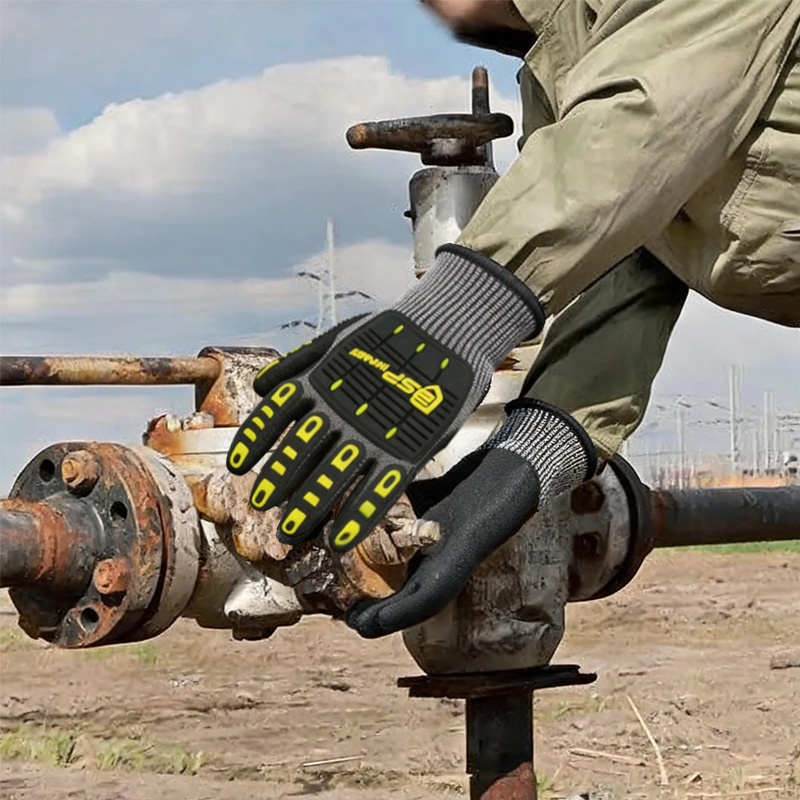
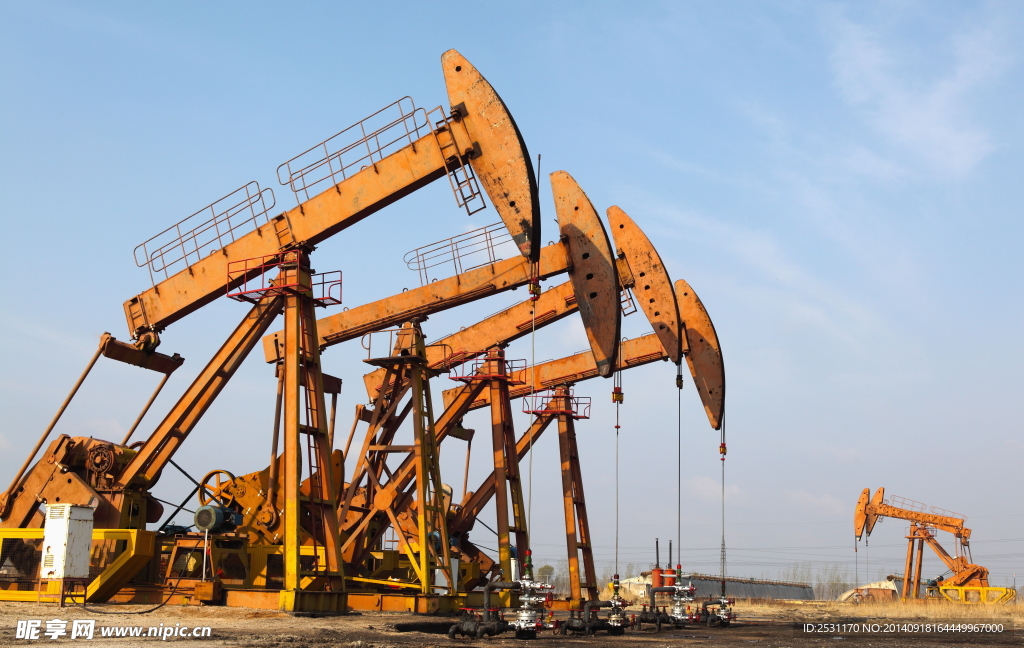
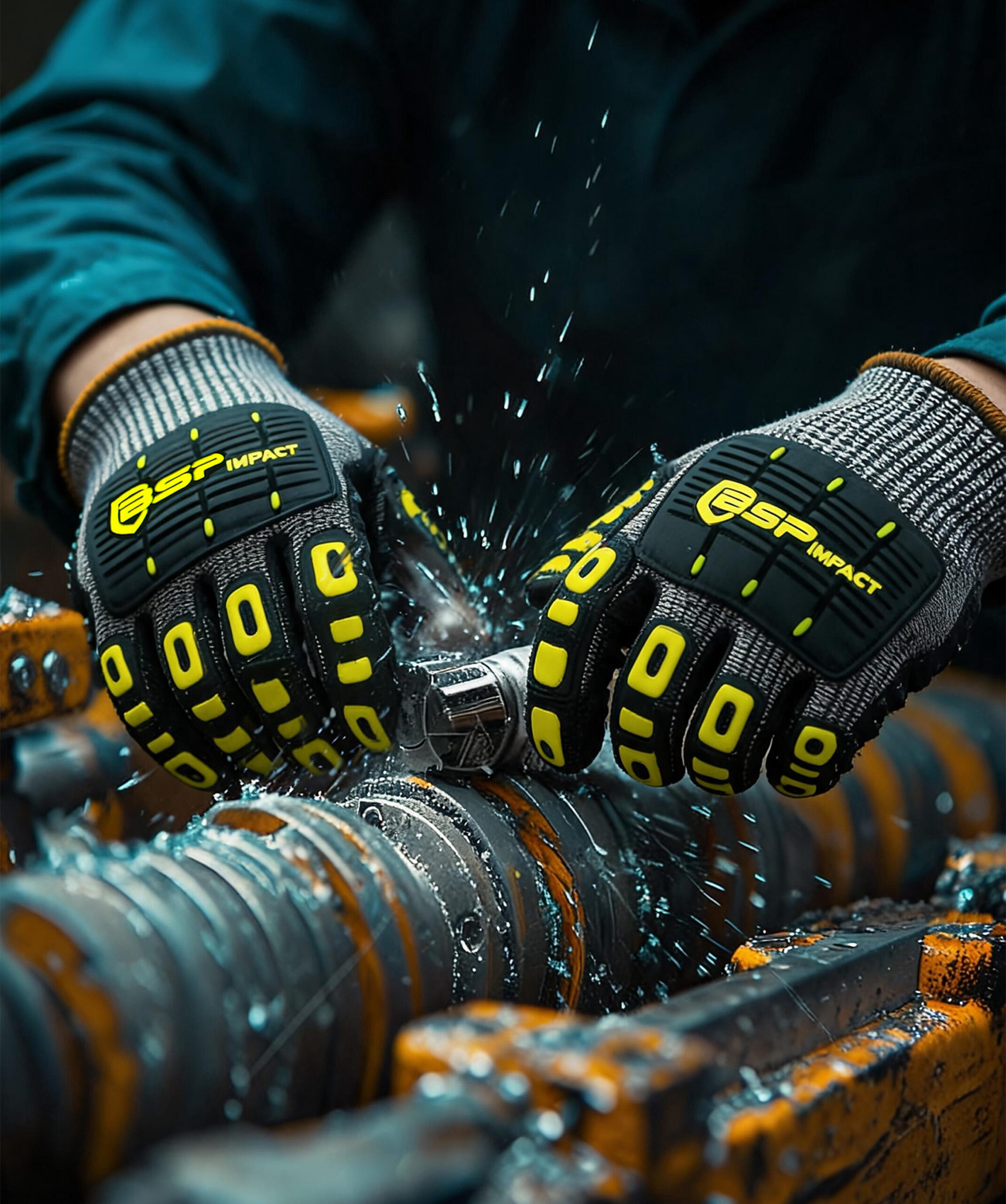
Level 3 (Highest) ≤4.0 kN, Oil & gas, heavy machinery, steel structure, high‑impact high‑risk working conditions.