When Protection Drives Productivity
In metal fabrication workshops, a flying metal fragment can lead to weeks of production shutdown. At glass handling sites, an unexpected slip may result in severe hand lacerations. On oilfield drilling platforms, continuous impact and vibration quietly damage workers’ hand health. Industrial hand injuries bring not only medical expenses and downtime losses, but also severely impair corporate operational efficiency and workers’ occupational longevity.
Cut & Impact Resistant Gloves are critical PPE engineered for these high-risk working scenarios. However, hazards vary widely across industries and job roles, and off-the-shelf products often fail to perfectly match each application. This is where customized protection solutions deliver value.
I. Two Core Protection Technologies
1. Cut Resistance: From Materials to Standards
The core of cut resistant gloves lies in fiber selection and knitting technology. Major cut resistant fibers on the market include HPPE, aramid, fiberglass and steel wire. Among them, HPPE is the most widely adopted cut-resistant fiber thanks to its outstanding strength to weight ratio. Manufacturers commonly blend multiple fibers — such as aramid, polyester, fiberglass and spandex — to balance cut resistance, wearer comfort and anti static requirements.
Internationally, EN 388:2016 (European Standard) and ANSI/ISEA 105 (US Standard) serve as the two primary reference systems. EN 388:2016 rates circular blade cut resistance (Coup Test) on a scale of 1 to 5, and incorporates the TDM 100 test (ISO 13997) with grades A–F for more precise straight blade cut resistance measurement. ANSI/ISEA 105 defines nine cut resistance levels from A1 to A9: A1 (≥200g) for light protection up to A9 (≥6000g) for extreme hazard environments, offering procurement teams refined selection criteria.
It is important to note that these two standards adopt different test methodologies, so their levels cannot be directly converted or compared. For global buyers, products certified to both standards are essential for accessing international markets.
2. Impact Resistance: Core Value of TPR Technology
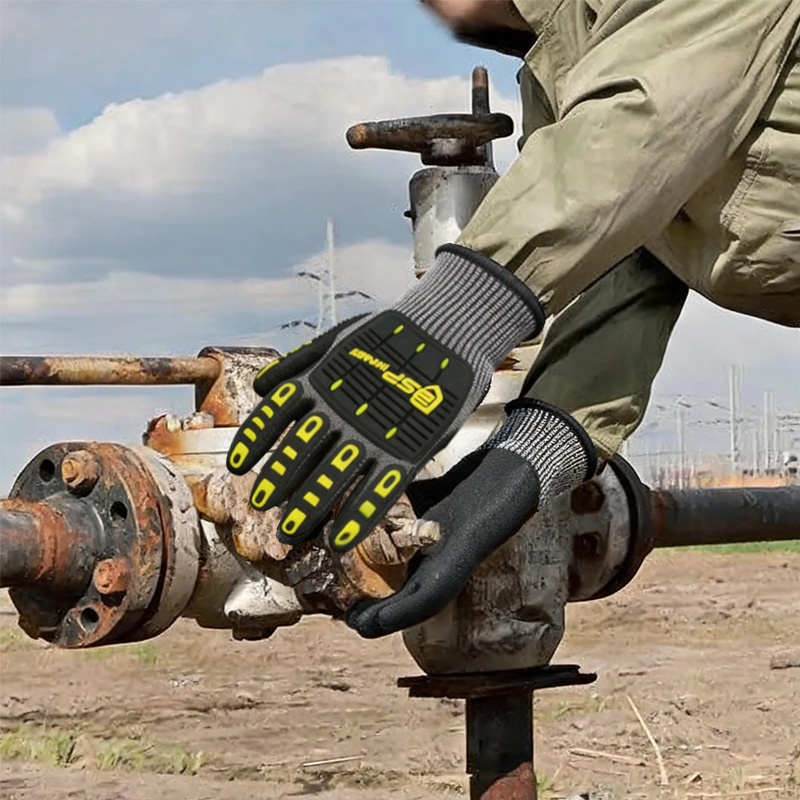
Impact protection relies on absorbing impact energy over the back of hand and knuckle areas. The mainstream industry solution uses TPR as protective material; molded TPR armor pads cover knuckles, the back of hand and thumb. TPR combines flexibility and structural strength to effectively disperse and absorb collision energy, while its segmented design preserves full finger mobility.
EN 388:2016 includes impact protection certification, graded P (Pass), F (Fail) or X (Not Tested). The impact test simulates an extreme scenario: a 2.5 kg weight striking with 5 Joules of impact energy. Only gloves achieving a P rating may display the corresponding marking.
TPR armor thickness is carefully engineered: up to approximately 6 mm over high-stress knuckle zones, and 2–5 mm over metacarpal regions, striking an optimal balance between protection and dexterity.
II. End to End Customization Services
Standard products address universal needs, while customization solves unique pain points. A manufacturer with OEM and ODM capability can tailor every component of the glove to build protection solutions matching customers’ exact operating conditions.
1. Liner Customization – Foundation of Protective Performance
The glove liner directly determines cut resistance, comfort and service life. Manufacturers can select raw materials including nylon, cotton yarn, polyester and HPPE according to client requirements, and optimize performance via proprietary formulation. Knitting gauge is also customizable: 10 gauge, 13 gauge, 18 gauge and 21-gauge. Different densities correspond to varying liner thickness and flexibility. 13-gauge suits general applications balancing protection and dexterity; 21-gauge delivers a second skin fit ideal for precision handling tasks.
2. Coating Customization: Grip & Environmental Compatibility
The coating forms the direct contact surface between glove and workpiece. Coating selection must consider oil contamination, humidity and grip demands of the working environment. Nitrile coating delivers superior oil resistance and anti slip performance, the preferred choice for metalworking and oilfield operations. PU coating is ultra thin and flexible, suited for precision assembly. Latex coating provides excellent grip under dry conditions.
Coating processes are customizable: single dip, double dip and micro-foam coating. Surface finishes including sandy, smooth and wrinkled further refine touch and anti slip properties. Dot coating (PVC or nitrile dots, available in round, teardrop and other patterns) greatly boosts skid resistance without sacrificing flexibility.
3. Brand Customization: From Logo to Retail Packaging
For brand owners and distributors, work gloves are more than protective gear — they are brand carriers. Custom logos can be applied to the back of gloves via silk screen or heat transfer printing, aligned with corporate color schemes for consistent brand presentation. Packaging customization covers simple polybags, printed paper boxes, hang tags and color boxes, supporting private label operations.
BSP has established a mature OEM / ODM system. Our products are exported to more than 100 countries worldwide, with full chain customization capability ranging from material selection and color matching to packaging design. This deep customization enables distributors to launch products efficiently under their own brand in target markets.
III. Application-Specific Matching: Customization That Solves Real Problems
The value of customization lies in accurate fit for working scenarios. Below are protection requirements and customization recommendations for three typical industries.
1. Metal Processing & Manufacturing
Primary hazards: sharp metal edges, flying debris and slipping risks in oily environments. Recommended solution: nitrile coating with TPR back of hand armor. Minimum cut resistant: EN 388 Level D or ANSI A4 and above. For heavy sheet metal handling, upgrade to Level E / A5, with reinforced thumb crotch design to extend service life.
2. Glass Fabrication & Handling
Key hazards: sharp cutting edges and flying fragments, requiring high tactile sensitivity and dexterity. Recommended: tungsten wire or high density HPPE liner paired with lightweight PU coating, delivering cut resistance ≥ Level D while maintaining finger agility. Custom dot patterns improve grip on glass surfaces without thickening the coating.
3. Oilfield & Heavy Construction
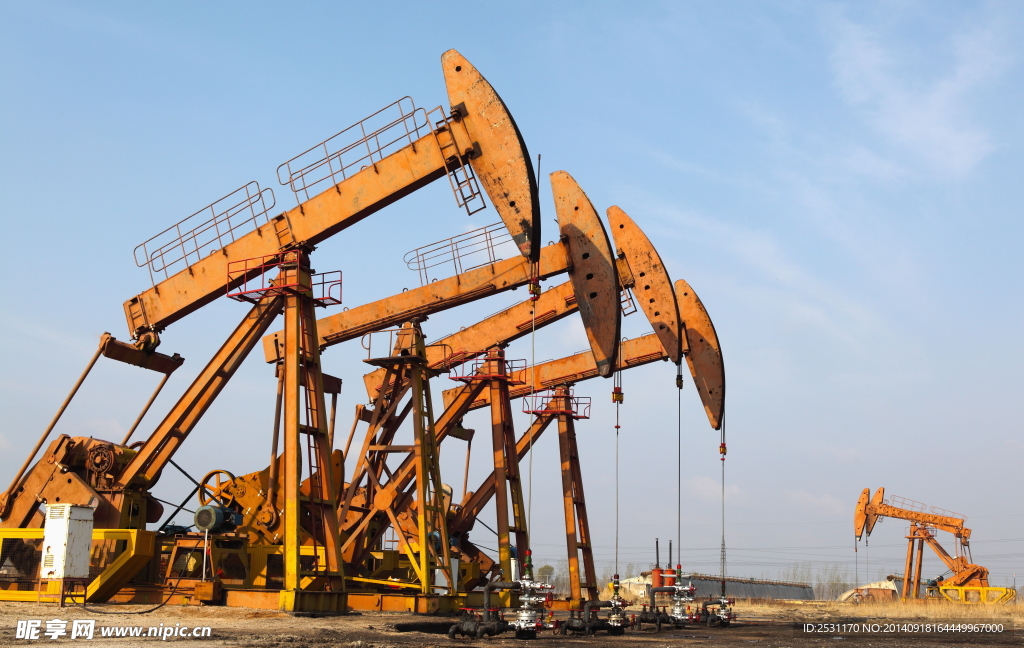
Oilfield and heavy construction work faces combined hazards: oil contamination, vibration, impact and cuts. Gloves require full dip coating as a complete liquid barrier. TPR armor must cover knuckles, thumbs and full finger length. Vibration dampening latex padding in the liner can reduce hand fatigue from prolonged power tool use. Basic requirements: ANSI Cut Level A5 or higher and EN 388 impact resistance P certification.
Launch Your Custom Protection Solution
Whether you are an industrial buyer seeking a reliable supplier or a PPE distributor building your private brand, systematic customization capacity forms the foundation for long-term partnership.
BSP provides one stop customized cut & impact resistant glove services covering material selection, certification compliance and branded packaging. We support OEM and ODM cooperation with dual certification to EN 388 and ANSI/ISEA 105. Feel free to contact us for sample evaluation, technical consultation and customized quotation.