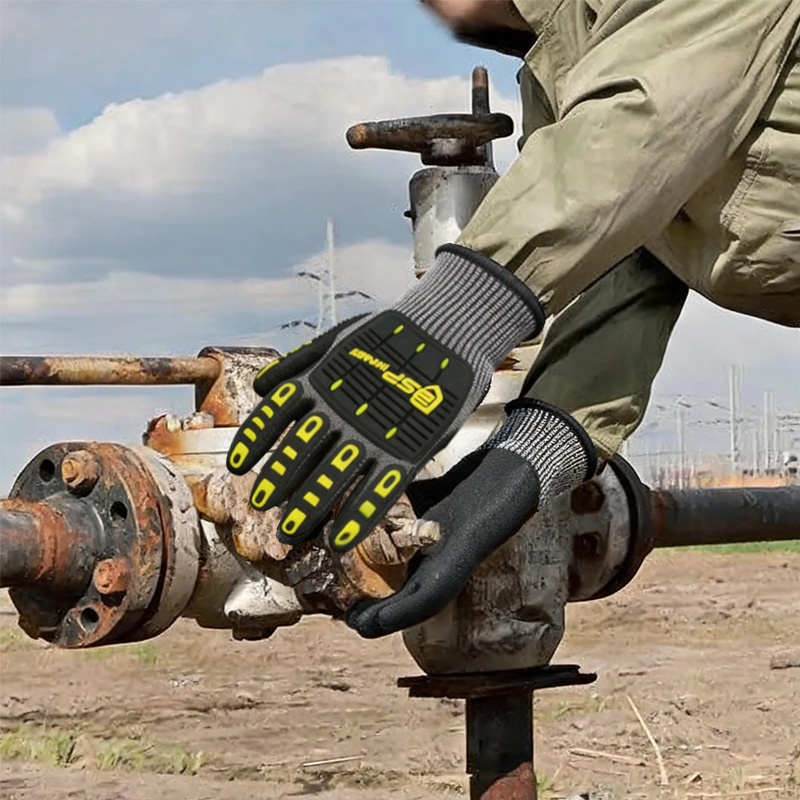
Confused about how to choose industrial work safety gloves? Learn key protection parameters including cut resistance, abrasion resistance, grip and material to buy durable safety gloves for your job.
Work safety gloves are the most fundamental PPE (Personal Protective Equipment) for factory workers, construction crews, warehouse staff, mechanics and industrial operators. Unlike disposable gloves, industrial work gloves focus on long-time wear, mechanical protection, anti-slip grip and durable performance. Choosing the wrong safety gloves will lead to hand cuts, abrasions, blisters, puncture injuries and even industrial accidents.
Most B2B buyers and workers only focus on price when purchasing work gloves, ignoring core protection standards. This guide explains the most critical technical parameters for selecting qualified industrial safety gloves, helping you make safer and more cost-effective purchases.
1. Cut Resistance Level (EN 388 Standard)
Cut resistance is the top priority for metal processing, construction and tooling work. European standard EN 388 classifies glove cut resistance into levels A to F. Level A-C suits general handling work, while Level D-F is designed for high-risk cutting scenarios such as metal sheet handling, blade operation and mechanical cutting.
High-performance cut-resistant gloves are usually blended with HPPE, glass fiber and stainless steel wire, providing lightweight and flexible anti-cut protection without sacrificing hand flexibility.
2. Abrasion & Puncture Resistance
Warehouse logistics, construction and hardware handling require excellent abrasion resistance. Good work gloves can withstand long-term friction with rough surfaces such as concrete, iron frames and wood. Puncture resistance is essential for thorn, nail and sharp tool contact scenarios, effectively preventing skin piercing injuries.
3. Anti-Slip Grip Performance
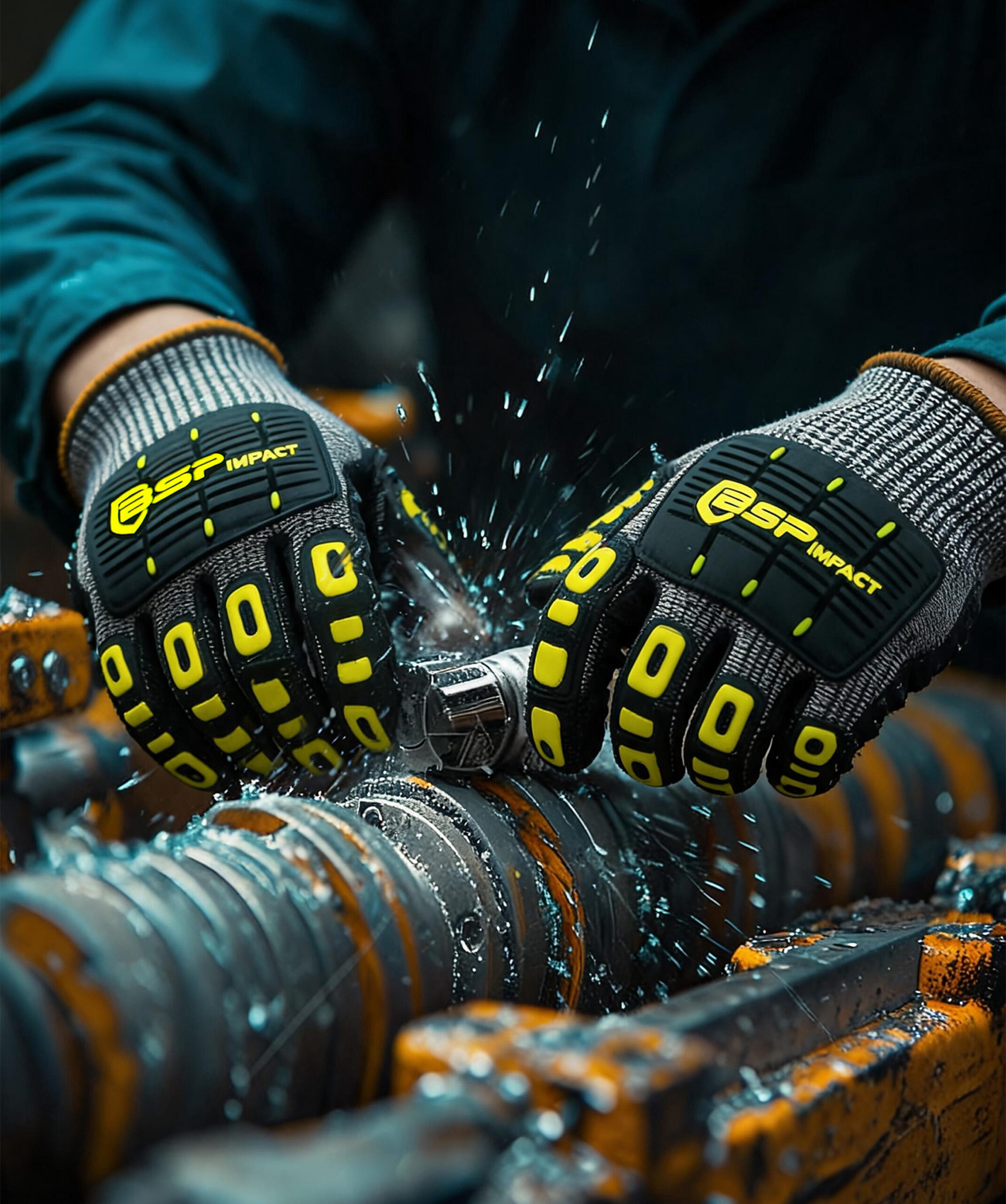
Oil, water and dust in working environments often cause slipping hazards. Safety gloves with latex, nitrile or PVC palm coating greatly enhance friction grip, allowing workers to stably hold tools, parts and equipment. Anti-slip gloves also reduce hand fatigue during long-hour operation.
4. Breathability & Comfort for All-Day Work
Many low-quality work gloves cause stuffiness, sweating and skin irritation after long-time wearing. Premium safety gloves adopt breathable knitted liner design, ensuring air circulation while maintaining protection. Comfortable gloves greatly improve work efficiency and reduce worker rejection rate.
Final Buying Guide
For general logistics and warehouse work, choose standard abrasion-resistant knitted gloves. For metal and sharp object work, upgrade to EN388 certified cut-resistant gloves. For oily and wet working conditions, select fully coated anti-slip safety gloves. Always prioritize certified safety performance over low price for long-term workplace cost savings.