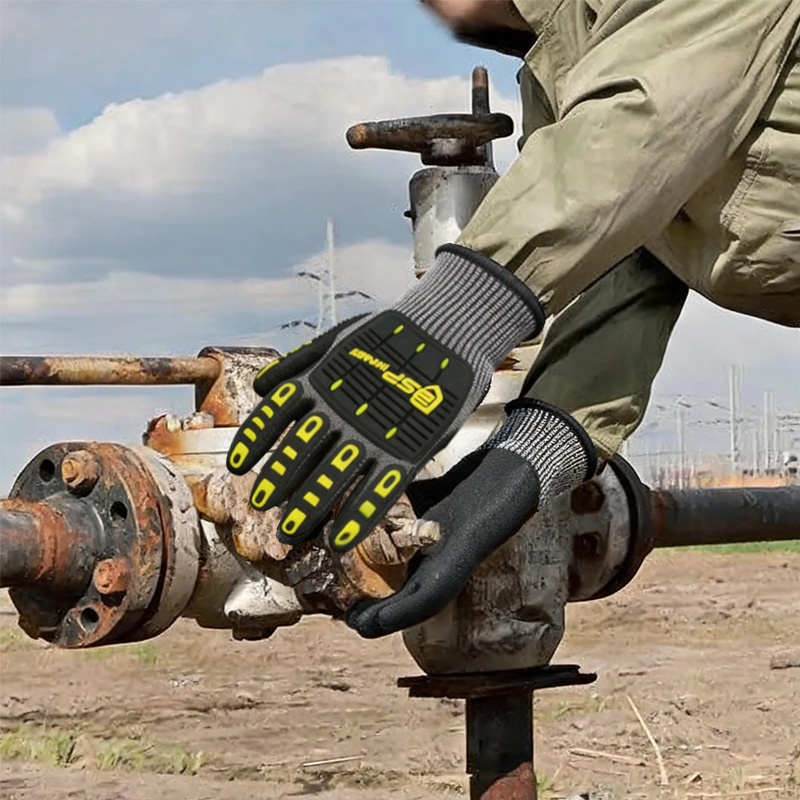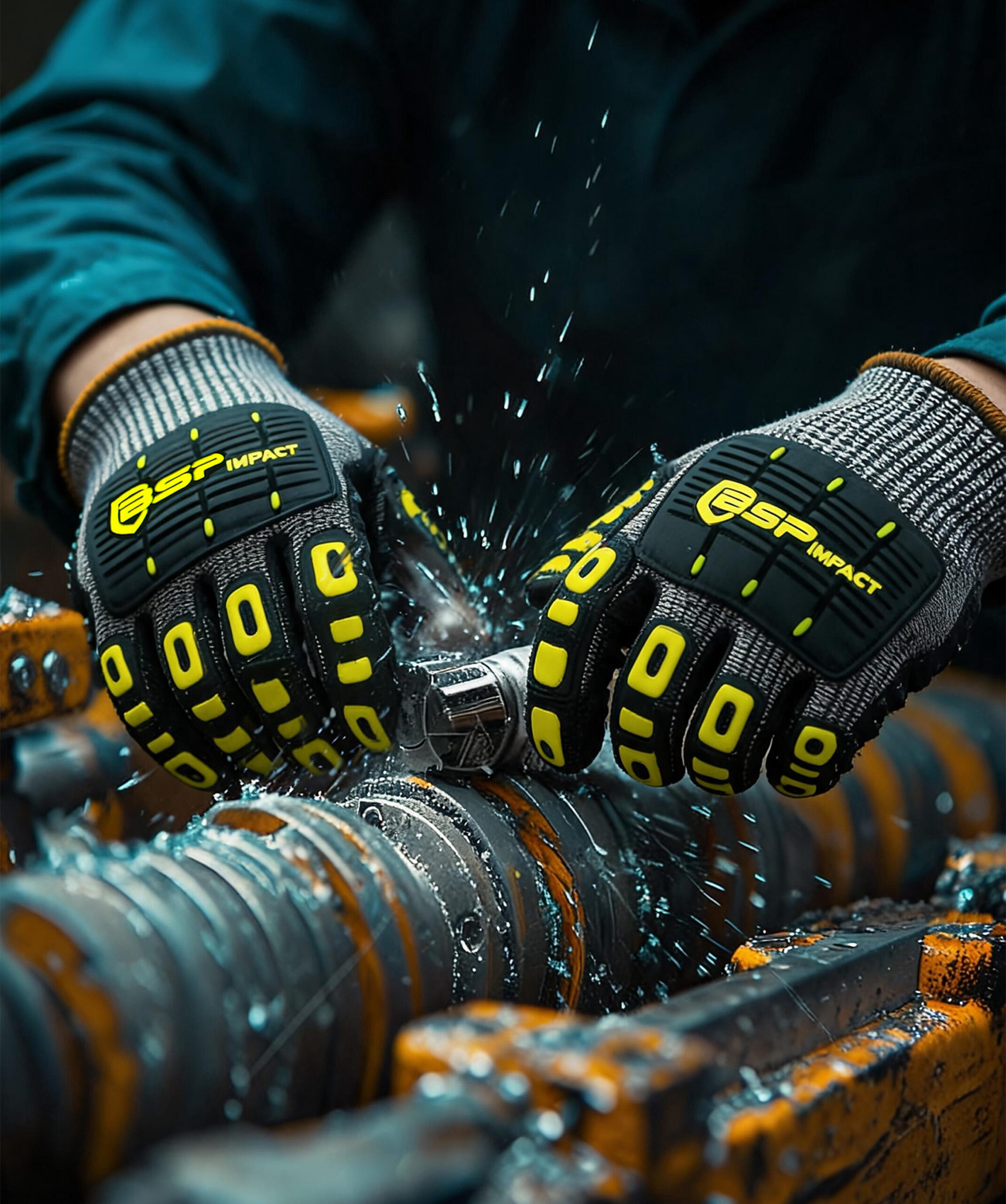
Customization for gardening gloves generally falls into two categories: Functional Tailoring (adjusting the glove for specific tasks) and Branding/Aesthetics (logos and personalization).
Since you have been looking into the procurement and development side of the glove industry, these options are essential for differentiating a product in a crowded market.
As for the sewing garden glove :
- Material Selection (The Leather “Engine”)
The choice of hide is the most significant customization, as each leather offers different functional benefits:
Goatskin: The gold standard for dexterity. It is thin but has a high natural lanolin content that keeps it soft even after getting wet. Best for “sensory” gardening like weeding or planting.
Cowhide (Grain vs. Split): * Grain cowhide is the smooth outer layer, offering the best abrasion resistance for heavy tasks like stone hauling.
Split cowhide (suede) is rougher and provides superior grip and a lower price point.
Pigskin: Unique because its pores are larger, making it very breathable. It is the only leather that won’t stiffen up after being saturated with water and dried.
Synthetic Leather (Amara/Clarino): A customizable “hybrid” option that can be made thinner than natural leather and is often machine washable.
- Structural & Ergonomic Features
Keystone Thumb: A separate thumb piece sewn into the palm. It is the most ergonomic (and expensive) thumb construction, allowing for a full range of motion.
Reinforced Palm Patches: Adding a second layer of split leather on the palm and “thumb saddle” (the crotch between thumb and index) drastically extends the life of the glove during tool use.
Gauntlet Cuffs: For “Rose Pruning” models, the cuff can be customized to lengths of 10, 12, or 14 inches to protect the forearms from thorns. These are often made of stiffer cowhide to stand up on their own.
Lining Options:
Fleece/Thinsulate: For winter gardening.
Silk or Jersey Cotton: For a “luxury” feel and to prevent the hand from smelling like leather.
- Aesthetic & Branding (Private Labeling)
Leather Embossing/Debossing: Pressing a logo directly into the leather. This is permanent and gives a high-end “branded” look that won’t peel off like ink.
Laser Engraving: Ideal for smaller batches or personalized gifts (e.g., “Dad’s Garden”), allowing for intricate text and designs.
Color Dyeing: While “Tan” is standard, leather can be dyed to any Pantone color. Forest green, deep plum, and “safety” yellow are popular for retail garden lines.
Contrast Stitching: Using a different color thread (e.g., white thread on brown leather) highlights the craftsmanship and reinforces the “hand-made” aesthetic.
- Hardware & Utility
Carabiner Loops/Grommets: Adding a small metal eyelet or a carabiner allows the gardener to clip the gloves to their belt or a garden bag.
Velcro vs. Elastic Wrists: You can customize the closure. Velcro is better for a “pro” fit, while shirred (elastic) wrists are easier to slip on and off quickly.
Touchscreen Leather: Treating the index finger and thumb with conductive oils during the tanning process so the user can use a smartphone without removing the glove.
As for the coating glove :1. Functional & Material Customization
This is where you adjust the “specs” of the glove to meet specific user needs.
Palm Coating Options: * Nitrile: Best for wet soil and chemical resistance (fertility/pesticides).
Latex (Crinkle Finish): Superior grip for handling smooth pots or tools.
PU (Polyurethane): High dexterity for seed sowing and delicate weeding.
Reinforcement Zones: * Reinforced Fingertips: Critical for “digging” tasks to prevent premature wear.
Thumb Saddle Reinforcement: Adds durability in the high-wear area between the thumb and index finger.
Padded Palms: Often made with foam or gel to reduce vibration from power tools (like hedge trimmers).
Cuff Styles:
Gauntlet Cuffs: Extra-long sleeves (usually leather) for pruning roses or thorny bushes.
Knit Wrists: Snug fit to keep dirt and debris from falling inside the glove.
Adjustable Velcro Straps: For a secure, custom fit on the wrist.
- Branding & Aesthetic Customization
For retail or promotional sourcing, these options define the brand identity.
Logo Application Methods:
Silk-Screen Printing: Most common for knit or nitrile-coated gloves. Best for high-volume, simple logos.
Heat Transfer: Allows for multi-color, high-definition graphics.
Debossing/Embroidery: Used primarily on leather gloves for a premium, high-end feel.
Private Labeling: Custom woven tags sewn into the cuff or seam.
Color Matching (PMS): High-volume orders often allow for custom-dyed fabrics or coatings to match a specific brand’s color palette.
Eco-Friendly Materials: Customizing the “base” of the glove using sustainable fibers like bamboo or recycled polyester is a major trend in the gardening sector.
- Packaging & Presentation
If you are developing a product for retail, the “out-of-box” experience is a customizable layer:
Custom Header Cards: Branded cardboard hangers for retail displays.
Sustainable Packaging: Switching from plastic polybags to compostable materials or recycled paper wraps.
Gift Sets: Combining customized gloves with matching aprons, kneeling pads, or small hand tools.