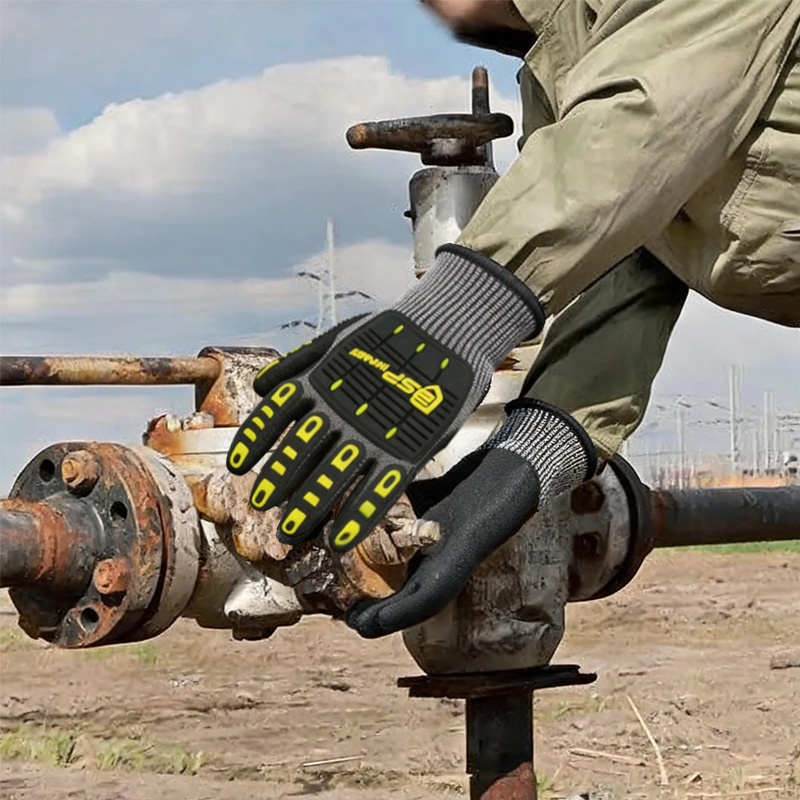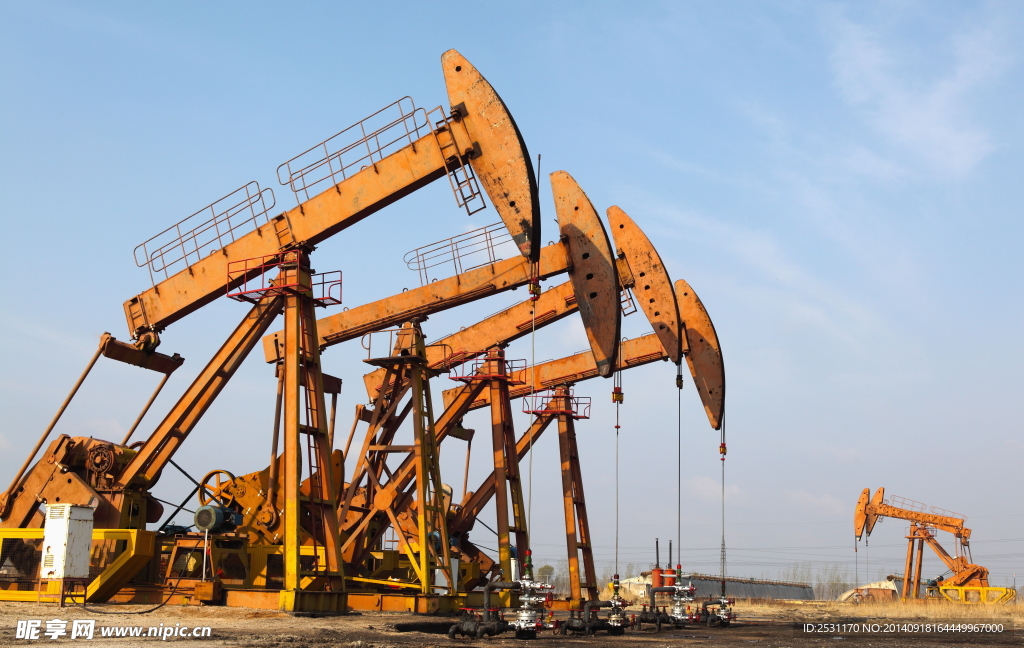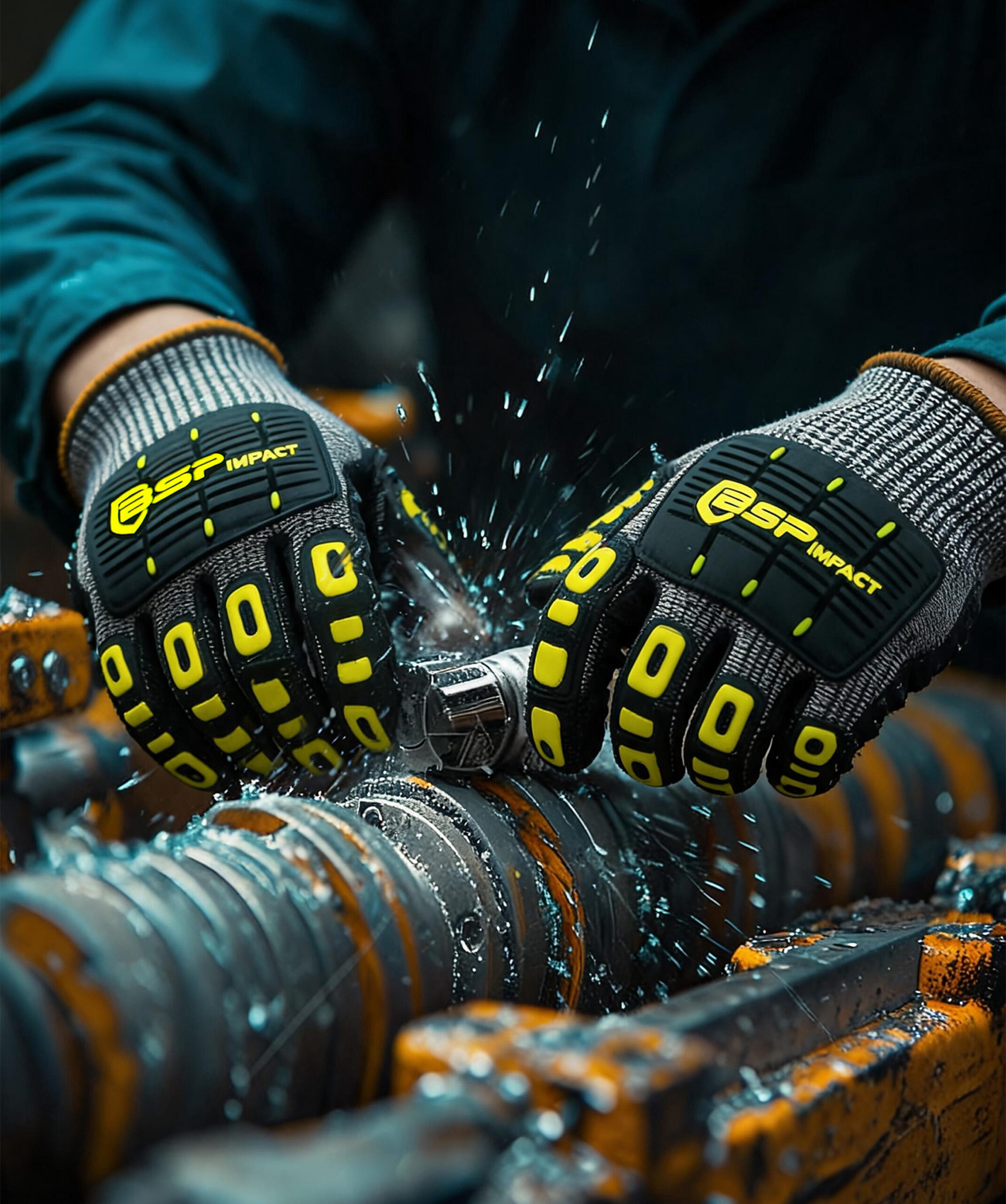
In the first half of 2026, the global glove market exhibited distinct characteristics: “orders are available, but production expansion is difficult, and raw material supplies are tight.” The situation in the Middle East has disrupted international energy and naphtha supplies. Traditional production regions such as Malaysia, due to reliance on imported raw materials and soaring energy costs, have experienced underutilized capacity and delivery delays. Markets like Japan have taken the rare step of releasing national reserves of medical gloves to address shortages, indirectly reflecting the increasing fragility of the global supply chain.
Against this backdrop, the competitive landscape is shifting from “price wars” to a focus on fulfillment capability and consistent quality. Major European and American buyers are prioritizing suppliers with stable supply chains and high-level certifications such as EN388 and ANSI. Leveraging a comprehensive chemical industry chain, self-sufficiency in key raw materials like butadiene, and relatively stable electricity and energy costs, China has significantly enhanced its international competitiveness amid this supply shortage.
Data indicates that China’s medical glove exports are projected to reach $2.89 billion in 2026, representing an 8.7% year-over-year increase; the occupational safety glove market is expected to exceed 18.5 billion yuan, with high-end specialty gloves—including cut-resistant, chemical-resistant, and heat-resistant varieties—growing at a rate exceeding 20%. The industry has entered a period of structural upgrading: SMEs are being rapidly weeded out due to compliance and cost pressures, with the CR10 (top 10 market concentration) reaching 56.4%; nitrile gloves are accelerating the replacement of latex and PVC, while functionality, lightweight design, and biodegradability have become the mainstream trends.
For high-quality domestic manufacturers, 2026 represents a critical window for global expansion and product upgrades: on one hand, they will capture international market share by leveraging direct factory supply, spot inventory, and rapid delivery; on the other hand, they will increase investment in new materials such as UHMWPE (ultra-high molecular weight polyethylene), aramid, and graphene coatings to drive product evolution toward higher protection, greater comfort, and smart functionality.